Can going meatless power your workouts just as well, or even better?
Transitioning to a vegan diet may not be as hard or unpleasant as you might think, especially if you have a big enough reason to stick to it.
In performance fitness or athleticism, it’s common knowledge that a high-protein diet is necessary to meet your body’s requirements for muscle repair and building. But what you might not often think about is the matter of where you get it so you can diversify your diet while ensuring that you get your counts for the macronutrient in.
If you’ve gone deep enough into the research, then you may well be aware that plants are one of the richest natural sources of protein. In fact, you’ll even hear of people – mostly vegans and vegetarians – telling you that plants are a better source of protein, for many different and valid reasons.
For a while now, we’ve also been wondering about vegan diets, ourselves. And it’s thanks mainly to plant-powered athletes we follow and admire. We’re talking about elite athletes who train meatless and are still at the peak of their health and performance, like seven-time tennis Grand Slam titleist Venus Williams.
If you’ve been wondering the same thing, we went ahead and tried out what it’s like to go vegan, with the help of What On Earth and our other favorite vegan places.
Let’s start this off by getting a few basics out of the way.
What does it mean to go on a vegan diet?
A vegan diet is a way of eating that excludes all forms of animal products from one’s diet in an attempt to totally avoid animal exploitation. To go on a vegan diet, you must take out meat like:
- chicken;
- pork;
- beef, and;
- seafood
You also exclude animal-derived products and food that contains:
- honey;
- eggs from poultry;
- milk or dairy products like cheese, and;
- bread and other pastries that contain these ingredients
How is being vegetarian different from being vegan?
A vegetarian diet, while similar to vegan diets in avoiding meat, does not exclude animal-derived products like the ones listed above. This means that all you need to avoid for a vegetarian diet is animal meat.
Reasons for going vegan
Now that you know what a vegan diet is and how it’s generally practiced, let’s discuss why people choose to go full-on vegan.
As we said above, you can go vegan for many different reasons. While athletes often transition to a vegan diet for performance-related or other reasons, many people choose to go vegan because of:
- Ethics. Many vegans choose to cut out animals and animal-derived products to protect animal rights. Ethical vegans oppose the exploitation and mistreatment of animals of any kind.
- Environment. Vegans can also be adopting the lifestyle to forward environmental conservation and climate action efforts. What On Earth Philippines, for example, pushes for veganism to help reduce the environmental impact of animal agriculture – an industry that has been uncovered as a major contributor to global greenhouse gas emissions.
- Health. Last but not least are vegans for health. Many people have transitioned to a full vegan diet because of a want to avoid or remedy existing health conditions. Studies on vegan diets suggest that it helps prevent or manage metabolic, cardiovascular, and other diseases like cancer.
Additionally, these reasons for going vegan are not mutually exclusive of each other. There are vegans for all these reasons combined, and some for one or two specific reasons. What it all boils down to is that these reasons are their driving force to choose to transition and stick to their pledges to totally eliminate animal products from their diet.
But remember: With all things concerning your health, most especially diets, make sure to always check in with your doctor or nutritionist about its potential effects on your body before making a shift.
How did our trial with a vegan diet turn out?
All that said, we wanted to make sure to give this diet a try primarily to see how it will affect our workouts. The accounts you will be reading below are just notes from my seven days of going vegan.
- I didn’t crave meat as much as I thought I would. In general, there were no feelings of weakness or negative reactions from my body about the lack of meat.
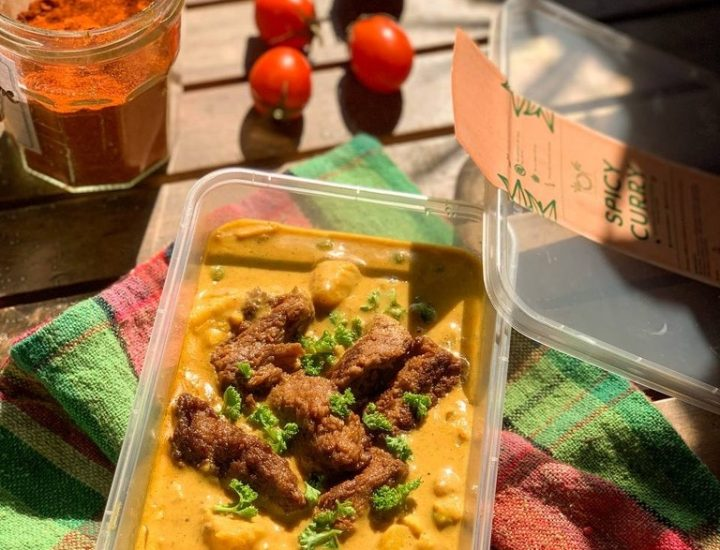

- My energy was more stable. Given the number of cardio workouts that I do in a week and at the length in which I do them, there wasn’t a sudden burst of energy that fizzled out fast. Energy release was more level all throughout my workouts, and there was minimal exhaustion by the end of the two or three workouts I did in a day. There was no “gusto ko na lang mahiga” feeling right after the workout, basically.
- I feel more energized in the morning. I’m the type of person whose thoughts still feel a bit foggy until I’ve had my coffee. So it was a very interesting experience that after about two or three days of going totally vegan, I actually felt like I could get onto doing my regular work without coffee. I could honestly forgo having it, if only I didn’t love how it tastes so much.
- There was not much weight loss. To be honest, that wasn’t the goal but I was watching out for it. Although there was some mild anticipation to lose weight, I wasn’t surprised that I didn’t lose any because I didn’t go on a calorie deficit. My weight remains the same from when I started the vegan diet until I ended it on Saturday, June 5, 2021.
- There is little or lesser body pain and inflammation the day after a workout. After a day of doing my routine of strength training, spinning classes, and yoga I didn’t notice any intense muscle soreness. Curious about the reasons behind that, I did my research and found that plant-based diets have been linked to increased recovery time. Essentially, it’s suggested that certain components found in plants help increase blood flow, hence, speed up recovery time.
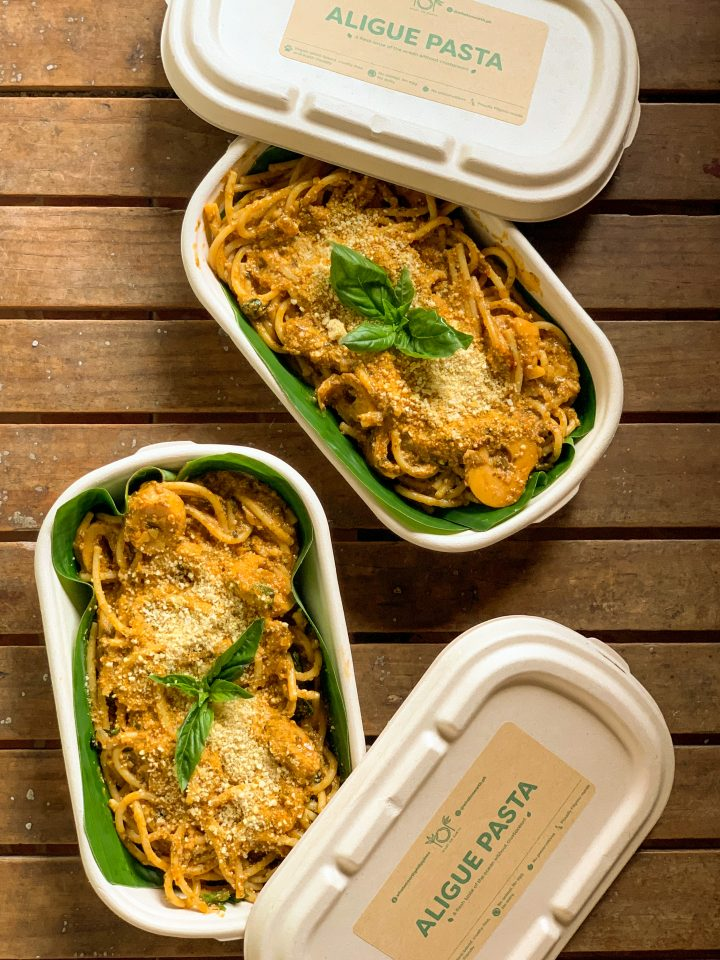
A note on practicality: while I enjoyed the entire process I went through, ordering my food wasn’t really the most practical thing to do. It may come as a bit of a strain on some people’s budgets, including mine. I see this as one of the main hurdles to a sustainable shift to vegan diets, but can definitely be overcome if you know how to hunt for cheap alternatives and learn how to make the meals yourself.
Key takeaways
All in all, it’s always fun to experiment and learn new things such as how to adopt a vegan diet and noting for yourself its health benefits. But remember: the key to achieving optimal results is through a sustainable fitness practice.
If you can find joy and a strong enough purpose that will get you sticking to your vegan diet, then I would actually encourage you to do it. But if even now you’re already doubting your ability to commit to it and not relapse into unhealthy eating habits, then you might want to stick with what’s working for you right now.
Below is how my seven-day experiment looked like, as well as the sources for all the plant-based meals and snacks I took all throughout.
| Day | Meals | Workout of the Day |
| Day 1Friday, May 28 | Breakfast – oatmeal with chia seeds and oat milk, sweetened with steviaAM snack – banana and one scoop vegan peanut butterLunch – What On Earth PH’s vegan curry, one cup of rice, and two pieces of fried plantainsPM snack – two pieces of fried plantains, half a cup of salted peanuts, vanilla almond lattéDinner – What On Earth PH’s vegan curry with one cup of rice | Spinning class, 45 minutesYoga, 30 minutes |
| Day 2Saturday, May 29 | Breakfast – patmeal with chia seeds and oat milk, sweetened with steviaAM snack – two pieces of fried plantains, half a cup of salted peanutsLunch – What On Earth PH’s vegan lumpia and one cup of ricePM snack – half a cup of salted peanuts, oatmilk latté, Super Force Plant Protein shake | Strenth and conditioning, 30 minutesSpinning class, 60 minutesYoga, 15 minutes |
| Day 3Sunday, May 30 | Breakfast – oatmeal with chia seeds and oat milk, sweetened with steviaAM snack – banana and one scoop vegan peanut butterLunch – What on Earth PH’s vegan lumpiang shanghai, one cup of ricePM snack – protein shake and one bananaDinner – three slices of vegan pizza from Pizza Plant | Rest |
| Day 4Monday, May 31 | Breakfast – overnight oats with chia seeds, oat milk, and protein powderAM snack – corn flakes with oat milk and a bananaLunch – What on Earth PH’s vegan ‘chicken’ nuggets and one pizza slice from Pizza PlantPM snack – Super Scoops’ coffee cashew crumble ice creamDinner – three slices of vegan pizza from Pizza Plant | Strenth and conditioning, 30 minutesSpinning class, 45 minutesYoga, 15 minutes |
| Day 5Tuesday, June 1 | Breakfast – oatmeal with chia seeds and oat milk, sweetened with steviaAM snack – corn flakes with oat milk and a bananaLunch – Cosmic Philippines‘ vegan kare-kare and one cup of ricePM snack – three pieces of What On Earth PH’s vegan siomaiDinner – Cosmic Philippines’ vegan kare-kare and What On Earth PH’s vegan ‘chicken’ nuggets’ with rice | Strength and conditioning, 30 minutesSpinning class, 45 minutesYoga, 15 minutes |
| Day 6Wednesday, June 2 | Breakfast – oatmeal with chia seeds and oat milk, sweetened with steviaAM snack – corn flakes with oat milk and a bananaLunch – Cosmic Philippines’ vegan sisig with one cup of ricePM snack – half a cup of salted peanuts and protein shakeDinner – Cosmic Philippines’ vegan caldereta with rice | Spinning class, 45 minutesYoga, 30 minutes |
| Day 7Thursday, June 3 | Breakfast – oatmeal with chia seeds and oat milk, sweetened with steviaAM snack – corn flakes with oat milk and a bananaLunch – Cosmic Philippines’ vegan miso ramen and bean bagnetPM snack – half a cup of salted peanuts and protein shakeDinner – Cosmic Philippines’ vegan caldereta and bean bagnet | Recovery yoga, 30 minutes |
| Day 8Friday, June 4 | Breakfast – oatmeal with chia seeds and oat milk, sweetened with steviaAM snack – corn flakes with oat milk and a bananaLunch – Cosmic Philippines’ vegan miso ramen and bean bagnetPM snack – Super Scoops’ coffee cashew ice cream and protein shakeDinner – Cosmic Philippines’ vegan coco adobo and bean bagnet with rice | Strenth and conditioning, 30 minutesSpinning class, 45 minutesYoga, 15 minutes |


About the Author