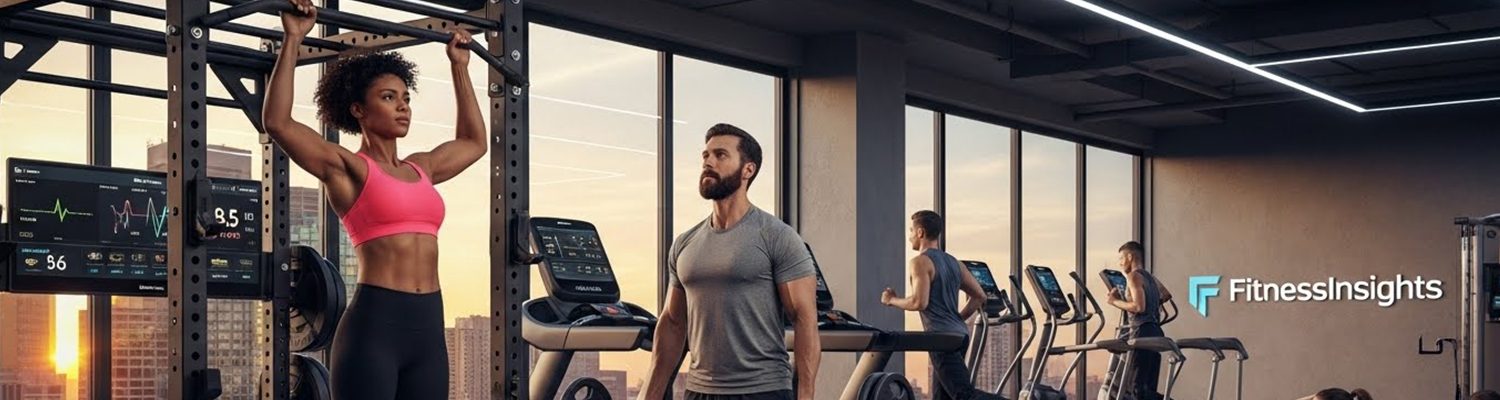

Fitness Giants on the Rise: News and Analysis on Emerging Fitness Brands in 2022
The fitness industry is experiencing a dynamic transformation, with emerging brands breaking through the traditional barriers and taking the market by storm. In 2022, a myriad of new and innovative fitness companies have risen, capturing the interest of fitness enthusiasts and investors alike. These brands are not just reshaping how we perceive fitness but are also setting new standards in innovation, accessibility, and community engagement. This blog post delves into the emerging fitness giants of 2022, analyzing their impact, strategies, and potential for future growth.
The Rise of Boutique Fitness Studios
One of the most significant trends in the fitness industry is the proliferation of boutique fitness studios. These specialized fitness centers offer unique and personalized workout experiences, often focusing on specific types of exercise such as cycling, yoga, or pilates. The success of boutique studios lies in their ability to create a sense of community and cater to niche markets. Industry reports suggest that boutique fitness studios are growing at a faster pace than traditional gyms, attracting a loyal customer base willing to pay a premium for a more personalized fitness experience.
Brands like SoulCycle and Orangetheory Fitness have paved the way, but new entrants are continuously emerging. For instance, Rumble, a boxing-inspired group fitness company, has gained traction with its high-energy classes and celebrity endorsements. Similarly, Barry’s Bootcamp continues to expand globally, offering intense workout sessions that combine cardio and strength training. These brands leverage their unique offerings and strong brand identities to stand out in a crowded market.

Technology-Driven Fitness Solutions
Technology has become an integral part of the fitness industry, with emerging brands harnessing its power to deliver innovative solutions. The advent of digital platforms and wearable technology has revolutionized how we approach fitness, making it more accessible and personalized. Companies like Peloton and Mirror have set benchmarks with their interactive, at-home workout solutions that allow users to engage with live and on-demand classes.
In 2022, new players like Tempo and Tonal are making waves with their tech-driven fitness equipment. These brands offer smart home gym systems that use artificial intelligence to provide personalized training programs based on user performance. Such innovations not only enhance the user experience but also offer data-driven insights to track progress and optimize workouts. Statistics on fitness app usage indicate a growing trend towards virtual fitness solutions, making tech-driven fitness a sector poised for exponential growth.
Focus on Health and Wellness
Another trend that has gained momentum is the holistic approach to health and wellness. Emerging fitness brands are not merely focusing on physical fitness but are also addressing mental and emotional well-being. Companies like Headspace and Calm, though primarily known for meditation, are expanding their offerings to include physical fitness as part of a comprehensive wellness solution.
Additionally, brands like Mindbody are integrating wellness services with traditional fitness, offering platforms that connect users with fitness classes, wellness services, and health coaching. This shift reflects a broader understanding of fitness that encompasses overall well-being, catering to a growing demographic that values a balanced lifestyle.
Sustainability and Ethical Practices

In 2022, sustainability and ethical practices have become key differentiators for fitness brands. Consumers are increasingly demanding transparency and responsibility from the companies they support. Emerging brands are responding by adopting sustainable practices and promoting ethical manufacturing processes.
For example, Athletic Greens, a company that offers nutritional supplements, emphasizes its commitment to sustainability by using eco-friendly packaging and sourcing ingredients responsibly. Similarly, Allbirds, known for its sustainable footwear, is expanding into the fitness apparel market with products made from natural materials. These initiatives resonate with environmentally conscious consumers and help brands build trust and loyalty.
Community Building and Social Engagement
Building a community and fostering social engagement is a powerful strategy for emerging fitness brands. Companies that create a sense of belonging and provide platforms for interaction are more likely to succeed in a competitive market. Brands like Strava, a social network for athletes, have successfully utilized community building to enhance user engagement and retention.
Additionally, fitness brands are leveraging social media to connect with their audience and build a strong brand community. Platforms like Instagram and TikTok are being used to share workout routines, success stories, and motivational content. These efforts not only promote brand visibility but also encourage user-generated content, creating a virtuous cycle of engagement and growth.
Challenges and Opportunities
While the fitness industry presents numerous opportunities for emerging brands, it also poses significant challenges. The market is highly competitive, requiring brands to continuously innovate and differentiate themselves. Additionally, the COVID-19 pandemic has altered consumer behavior, with many people opting for home workouts over gym memberships.

However, these challenges also present opportunities for brands to adapt and thrive. The demand for flexible, on-demand fitness solutions is increasing, providing a fertile ground for brands that can offer convenience and personalization. Moreover, the integration of technology and wellness into fitness provides avenues for growth and diversification.
Takeaways
The fitness industry in 2022 is characterized by innovation, diversity, and a focus on holistic well-being. As emerging fitness brands continue to rise, they are reshaping the landscape with unique offerings and cutting-edge solutions. From boutique fitness studios to tech-driven platforms, these brands are setting new standards and capturing the attention of a global audience.
As consumers become more discerning and demand more from their fitness experiences, brands that prioritize sustainability, community, and comprehensive wellness are likely to lead the way. By staying attuned to market trends and consumer needs, these emerging fitness giants have the potential to grow and establish themselves as leaders in the industry.
To stay updated on the latest developments in the fitness industry, it’s essential to keep track of emerging trends and innovations. For further insights into the fitness market, explore resources such as the World Health Organization’s guidelines on physical activity and the CDC’s recommendations for physical activity.
Innovative Fitness Programs and Offerings

One of the defining characteristics of emerging fitness brands is their ability to innovate and introduce new programs that capture the interest of diverse audiences. From hybrid workout classes that blend different exercise modalities to immersive experiences that take fitness beyond the physical realm, the creativity in the industry is boundless.
An example of such innovation is the fusion of fitness with entertainment. Companies like Les Mills are offering virtual reality (VR) workout experiences where participants can engage in high-intensity interval training (HIIT) sessions in a gamified environment. Similarly, Zumba has introduced interactive dance workouts that incorporate global music and cultural elements, making exercise a fun and engaging activity.
Moreover, fitness retreats and adventure-based programs are gaining popularity among those seeking a more holistic approach to health. Brands like Equinox offer luxury fitness retreats that combine physical activity with relaxation and wellness practices, catering to individuals looking for a comprehensive health experience.
The Role of Influencers and Social Media
Influencers and social media platforms play a pivotal role in the rise of emerging fitness brands. Fitness influencers with large followings have the power to sway consumer preferences and drive brand visibility. By partnering with influencers, brands can tap into new audiences and gain credibility and trust.
Social media campaigns, challenges, and collaborations with fitness influencers are effective strategies for increasing brand awareness. For instance, the #30DayChallenge or #FitFam hashtags on platforms like Instagram provide opportunities for brands to engage with users and create buzz around their offerings. User-generated content and testimonials further amplify brand reach and foster a sense of community among followers.
The Impact of Globalization on Emerging Brands

Globalization has opened up new markets and opportunities for emerging fitness brands. As digital platforms break down geographical barriers, brands can reach a global audience and cater to diverse cultural preferences. This expansion is facilitated by the widespread adoption of online workouts and fitness apps, which allow brands to offer their services internationally.
Companies like CrossFit, which started as a niche fitness trend, have grown into a global phenomenon with affiliates in numerous countries. Similarly, brands like F45 Training have successfully expanded their franchise model, offering functional training programs worldwide. The ability to adapt to different markets while maintaining a strong brand identity is crucial for success in a globalized fitness industry.
Future Prospects for Emerging Fitness Brands
The future looks promising for emerging fitness brands as they continue to innovate and adapt to changing consumer preferences. The integration of artificial intelligence (AI) and machine learning into fitness solutions is expected to further personalize and enhance the user experience. Predictive analytics, virtual reality, and augmented reality are among the technologies poised to revolutionize the way we approach fitness.
Additionally, the growing emphasis on mental health and wellness is likely to shape the offerings of fitness brands. As consumers seek holistic solutions that address both physical and mental well-being, brands that can seamlessly integrate these aspects into their programs will have a competitive edge.
To remain relevant and competitive, emerging fitness brands must prioritize innovation, sustainability, and community engagement. By staying attuned to market trends and consumer demands, these brands can establish themselves as leaders in the ever-evolving fitness industry.
For more information on the role of technology in the fitness industry, explore resources such as the McKinsey report on the future of fitness, which provides in-depth analysis and insights into emerging trends and technologies.
About the Author