
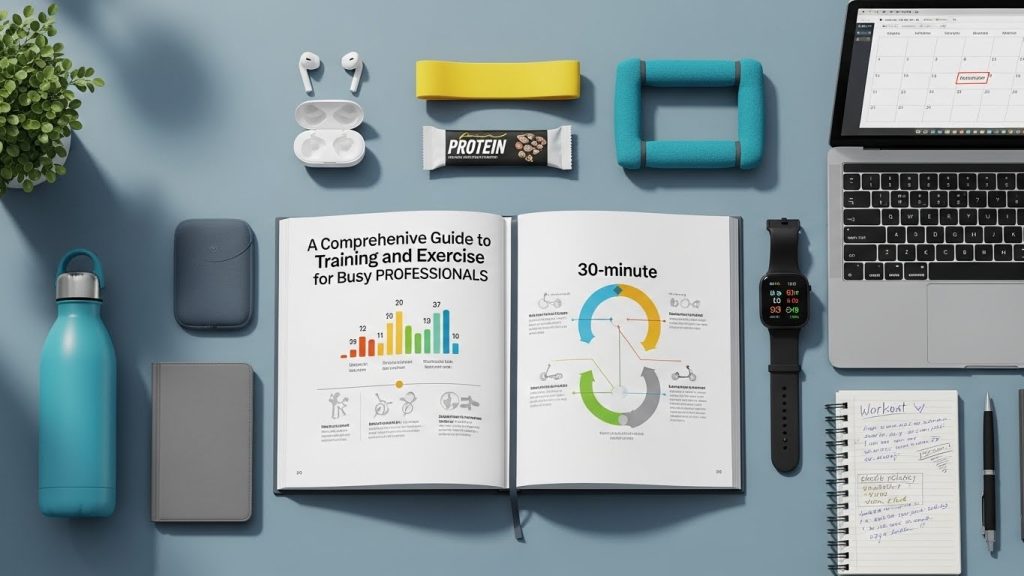
A Comprehensive Guide to Training and Exercise for Busy Professionals
In today’s fast-paced world, balancing work responsibilities with personal health can be a daunting task, especially for busy professionals. The demands of a career often take precedence over regular exercise and training, leading to neglected health and fitness goals. This guide aims to offer practical advice and strategies for integrating effective workout routines into a hectic schedule, ensuring that professionals can maintain their health without compromising their work commitments.
Understanding the Importance of Exercise for Busy Professionals
Exercise is not just a tool for weight management; it is a vital component of a healthy lifestyle. Regular physical activity has been linked to a plethora of benefits, including improved mental health, increased energy levels, and enhanced productivity. For busy professionals, incorporating exercise into daily routines can lead to better stress management and improved focus, directly impacting their work performance positively.
According to the Centers for Disease Control and Prevention, adults should aim for at least 150 minutes of moderate aerobic activity or 75 minutes of vigorous activity each week. However, achieving this can be challenging with tight schedules. The key is to find ways to integrate physical activity into the daily routine without it feeling like an additional burden.
Creating a Personal Fitness Plan
Developing a tailored fitness plan is crucial for ensuring consistency and effectiveness. Here’s how busy professionals can create a sustainable workout routine:
Assessing Current Fitness Levels

Before embarking on a new exercise regimen, it’s essential to evaluate your current fitness level. This helps in setting realistic goals and choosing appropriate exercises. Consider aspects like cardiovascular endurance, strength, flexibility, and overall health. Tools like fitness trackers can provide valuable insights into daily activity levels and help in monitoring progress.
Setting Realistic Goals
Goal-setting is a powerful motivator for maintaining an exercise routine. Start with small, achievable goals that can be gradually increased as you progress. For instance, if you are new to fitness, aim for a 15-minute walk during lunch breaks. Once this becomes a habit, you can increase the duration or intensity. Setting specific, measurable, achievable, relevant, and time-bound (SMART) goals can lead to successful outcomes.
Choosing the Right Exercises
To keep the routine engaging and effective, select exercises that align with your interests and fitness goals. A balanced workout plan should include a mix of cardiovascular exercises, strength training, and flexibility exercises. For busy professionals, high-intensity interval training (HIIT) can be a time-efficient option. The American Council on Exercise highlights that HIIT workouts can improve cardiovascular health in a fraction of the time compared to traditional workouts.
Incorporating Exercise into a Busy Schedule
Finding time for exercise in a packed schedule requires creativity and commitment. Here are some strategies that can help:
Utilizing Short Breaks
Micro-workouts are a great way to fit exercise into short breaks throughout the day. Activities like brisk walking, desk exercises, or quick stair climbs can be performed in as little as five to ten minutes. These short bursts of activity can cumulatively contribute to the daily exercise goals.
Opting for Home Workouts
Home workouts eliminate the need for travel time to and from the gym, making it easier to fit a workout into a busy day. Many effective workouts require minimal equipment and can be done in the comfort of your home. Online platforms like Fitness Blender offer free workout videos that cater to different fitness levels and goals.
Embracing Active Commuting
Whenever possible, integrate physical activity into your commute. Walking or cycling to work not only serves as a form of exercise but also reduces stress and can improve mood. If distance is a concern, consider parking further from your destination or getting off public transport a few stops early to increase your step count.
Maintaining Motivation and Consistency
Staying motivated is often the biggest challenge when it comes to maintaining a fitness routine. Here are some tips to help keep you on track:
Tracking Progress
Regularly tracking your fitness progress can provide a sense of accomplishment and motivate you to continue. Use apps or journals to log workouts, track improvements, and celebrate milestones. Visual evidence of progress, such as before-and-after photos or fitness metrics, can be incredibly motivating.
Finding a Workout Buddy
Exercising with a friend or colleague can add an element of fun and accountability to your routine. A workout buddy can help you stay committed, share in the challenges, and celebrate achievements together. Group fitness classes, either in person or virtual, can also provide a community of support.
Rewarding Yourself
Incentives can be powerful motivators. Set up a reward system for reaching fitness goals. Rewards can be small, like a new workout outfit, or experiential, like a relaxing spa day. The key is to choose something that you look forward to and that feels like a genuine reward for your hard work.
Takeaways
For busy professionals, finding time for exercise requires strategic planning and dedication. By understanding the importance of physical activity, setting realistic goals, and creatively integrating exercise into daily routines, it is possible to maintain a healthy lifestyle without sacrificing professional responsibilities. Remember, the benefits of regular exercise extend beyond physical health, positively impacting mental well-being and work performance. Prioritize your health, and your body and mind will thank you.
For more information on how exercise can benefit your work-life balance, visit the Mayo Clinic.
Overcoming Common Barriers to Exercise
Despite best intentions, several common barriers can stand in the way of maintaining a regular exercise routine. Identifying these obstacles and developing strategies to overcome them is crucial for long-term success.
Lack of Time
Lack of time is often cited as the primary reason for not exercising. To combat this, prioritize exercise by scheduling it into your calendar as you would with any important meeting or appointment. Treat it as a non-negotiable commitment to yourself. Consider waking up a bit earlier to fit in a workout, or utilize time during lunch breaks to squeeze in a quick session.
Fatigue
Feeling too tired to exercise is another common challenge. Interestingly, regular physical activity can actually boost energy levels. If fatigue is a constant issue, start with low-intensity exercises and gradually increase intensity as your stamina improves. Additionally, ensure you are getting adequate sleep and nutrition to support your energy needs.
Lack of Motivation
Maintaining motivation can be difficult, especially when results aren’t immediate. To counteract this, remind yourself of the reasons why you started and the long-term benefits of staying active. Creating a vision board with goals, motivational quotes, and images of your progress can serve as a daily reminder of your commitment to health.
Access to Facilities
Not everyone has easy access to a gym or fitness center, but this shouldn’t be a barrier to exercise. Many effective workouts can be done at home with minimal equipment. Explore options like bodyweight exercises, yoga, or online workout classes. The NHS Live Well platform offers a variety of home workout plans that require little to no equipment.
Adapting to Changing Work Schedules
For professionals with fluctuating work hours, adaptability is key to maintaining a consistent fitness routine. Here’s how you can adjust your exercise plan to accommodate an unpredictable schedule:
Flexible Workout Plans
Create a flexible workout schedule that can easily be adjusted based on your availability. Have a couple of backup plans for days when your schedule changes unexpectedly. This ensures that even if you can’t complete your planned workout, you still engage in some form of physical activity.
Embracing Technology
Utilize fitness apps and online resources to access workouts anytime, anywhere. Many apps offer short, guided workouts that can be done in the office or at home. They can also help track your progress and remind you to stay active throughout the day.
Making Use of Travel Time
If your job involves travel, consider packing lightweight exercise equipment like resistance bands or a jump rope. Many hotels have fitness centers, and there are numerous online resources available for workout routines that can be performed in a hotel room. The Harvard Health website provides valuable insights into maintaining fitness on the go.
The Role of Nutrition in Supporting Fitness Goals
Exercise and nutrition go hand in hand. For optimal performance and recovery, it’s important to fuel your body with the right nutrients. Here are some key nutritional strategies for busy professionals:
Balanced Meals
Ensure your meals are balanced with a good mix of carbohydrates, proteins, and fats. Carbohydrates provide the energy needed for workouts, proteins support muscle repair and growth, and fats are essential for overall health. Meal prepping can save time and ensure you have nutritious meals ready throughout the week.
Hydration
Staying hydrated is essential for maintaining energy levels and optimizing physical performance. Aim to drink plenty of water throughout the day, and consider carrying a reusable water bottle to remind yourself to stay hydrated.
Smart Snacking
Healthy snacks can keep your energy levels stable between meals. Opt for options like nuts, yogurt, fruit, or protein bars. These snacks provide a quick energy boost and can help prevent overeating during main meals.
Takeaways
Achieving a balance between professional responsibilities and personal health is possible with thoughtful planning and commitment. By understanding the importance of regular exercise and creating a tailored fitness plan, busy professionals can improve their physical health, mental well-being, and work performance. Overcoming common barriers, adapting to changing schedules, and supporting exercise with proper nutrition are all integral parts of maintaining a healthy lifestyle. Remember, the key is to start small, stay consistent, and make your health a priority. For more guidance on integrating fitness into your busy life, consult resources like the World Health Organization.
About the Author