
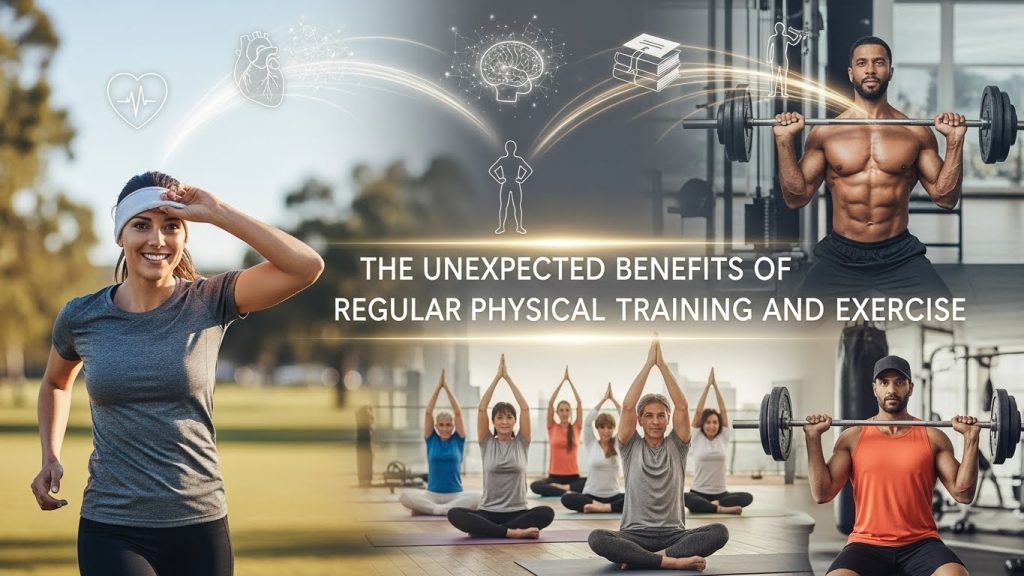
The Unexpected Benefits of Regular Physical Training and Exercise
When we think about physical training and exercise, we often focus on the obvious benefits like weight loss, muscle gain, and improved cardiovascular health. However, the advantages of regular physical activity extend far beyond the physical transformations that occur. This blog post will delve into some of the unexpected benefits of regular exercise, revealing how it can enhance various aspects of life, from mental health to social connections.
Boosting Mental Health and Cognitive Function
One of the most significant yet underestimated benefits of regular exercise is its impact on mental health. Exercise can help reduce symptoms of anxiety and depression by releasing endorphins, also known as “feel-good” hormones. These chemicals in the brain act as natural painkillers and mood elevators, offering relief from stress and promoting a sense of well-being.
Moreover, regular physical activity is linked to improved cognitive function. Engaging in aerobic exercises like jogging, swimming, or cycling can enhance memory, attention, and learning. Research suggests that exercise can increase the size of the hippocampus, a part of the brain involved in memory formation, thus helping to stave off age-related cognitive decline.
Enhancing Sleep Quality

Struggling with sleep issues? Regular exercise might be the solution you’re looking for. Physical activity can help regulate your sleep patterns and improve the quality of your sleep. Exercise increases the amount of time spent in deep sleep, the most physically restorative sleep phase. It also contributes to falling asleep faster and experiencing a more restful night’s sleep.
Interestingly, the timing of exercise can also play a role in sleep quality. Morning or afternoon workouts can help you establish a routine, while avoiding vigorous exercise close to bedtime can prevent disruption to your sleep cycle.
Strengthening Social Connections
Joining a fitness class, running club, or sports team provides an excellent opportunity to meet new people and build social connections. These social interactions can lead to new friendships and a greater sense of community. Engaging in group activities also offers a support system that can help keep you motivated and committed to your fitness goals.
Furthermore, sharing a common goal with others can foster teamwork and camaraderie, enhancing your social skills and emotional intelligence. These social benefits of exercise can lead to a more fulfilling and connected life.
Improving Self-Esteem and Body Image
Regular exercise can lead to a more positive body image and improved self-esteem. As you become stronger, fitter, and more capable, your confidence can grow. This boost in self-esteem is not only due to physical changes but also the sense of accomplishment and empowerment that comes from overcoming challenges and achieving fitness goals.
Moreover, exercise can shift your focus from appearance to performance, helping you appreciate your body’s abilities rather than its looks. This change in mindset can lead to a healthier relationship with your body and contribute to overall happiness and satisfaction.
Supporting Immune Function
Moderate, regular exercise can give your immune system a boost. Physical activity promotes good circulation, allowing immune cells to travel more efficiently throughout the body. This increased circulation can help the body detect and respond to illnesses more quickly.
However, it’s important to note that balance is key. While moderate exercise can enhance immune function, excessive training without adequate rest can have the opposite effect, temporarily weakening the immune system. Therefore, it’s crucial to listen to your body and allow for proper recovery.
Fostering Longevity and Quality of Life
Regular exercise is associated with a longer life span and improved quality of life. Engaging in physical activity can reduce the risk of chronic diseases such as heart disease, diabetes, and certain cancers. Exercise also helps maintain mobility and independence as we age, allowing for an active and fulfilling lifestyle well into our senior years.
Furthermore, exercise contributes to better bone health, reducing the risk of osteoporosis and fractures. Weight-bearing exercises, in particular, are beneficial for building and maintaining strong bones.
Enhancing Creativity and Productivity
Physical activity can also boost creativity and productivity. Exercise stimulates the production of brain-derived neurotrophic factor (BDNF), a protein that supports the growth and survival of neurons and plays a crucial role in cognitive functions like learning and memory. This increase in BDNF can lead to enhanced creativity and problem-solving abilities.
Additionally, exercise can improve energy levels and reduce fatigue, allowing for better focus and productivity at work or in daily tasks. Taking breaks for physical activity during the day can also provide mental clarity and help overcome creative blocks.
Takeaways
The unexpected benefits of regular physical training and exercise are vast and varied, impacting nearly every aspect of life. From enhancing mental health and cognitive function to improving sleep quality and social connections, the positive effects of exercise go far beyond the physical changes we often seek. By embracing a consistent exercise routine, you can unlock a healthier, more balanced, and fulfilling lifestyle.
Whether you’re a seasoned athlete or just starting your fitness journey, remember that the key to reaping these benefits is consistency. So, lace up your sneakers, find an activity you enjoy, and start experiencing the transformative power of regular exercise today.
As you embark on your exercise journey, it’s essential to consider a few factors to maximize the benefits and maintain a sustainable routine. Here are some additional tips to help you along the way:
Finding the Right Exercise for You
With countless exercise options available, it’s crucial to find activities that you genuinely enjoy. Whether it’s dancing, hiking, yoga, or strength training, choosing exercises that align with your interests increases the likelihood of sticking with your routine. Remember, the best exercise is the one you look forward to doing regularly.
It’s also beneficial to experiment with different forms of exercise to discover new passions and keep your routine exciting. Mixing up your workouts can prevent boredom and provide a well-rounded approach to fitness by targeting various muscle groups and improving overall conditioning.
Setting Realistic Goals
Setting realistic and achievable fitness goals is vital to maintaining motivation and tracking progress. Begin by identifying both short-term and long-term objectives. Short-term goals could include exercising a certain number of times per week or mastering a new skill, while long-term goals might focus on increasing endurance or participating in a specific event.
Utilizing the SMART criteria—Specific, Measurable, Achievable, Relevant, and Time-bound—can help you create clear and actionable goals. Regularly reviewing and adjusting your goals as you progress ensures continuous growth and prevents stagnation.
Prioritizing Recovery and Rest
While it’s tempting to push yourself hard to achieve results quickly, prioritizing recovery and rest is essential for long-term success. Overtraining can lead to burnout, injury, and decreased performance, ultimately hindering your progress.
Incorporate rest days into your routine and consider activities like stretching, foam rolling, or light yoga to aid recovery. Ensuring you get adequate sleep each night is also crucial, as it allows your body to repair and recharge for the next day’s activities.
Fueling Your Body Properly
Nutrition plays a significant role in supporting your exercise routine and overall health. A well-balanced diet provides the energy needed for workouts and aids in recovery and muscle repair. Focus on consuming a variety of nutrient-dense foods, including lean proteins, healthy fats, whole grains, and plenty of fruits and vegetables.
Staying hydrated is equally important. Drinking water before, during, and after exercise helps regulate body temperature, maintain joint lubrication, and transport nutrients to give you energy and keep you healthy. Consider consulting a nutritionist or dietitian to tailor an eating plan that complements your fitness goals.
Staying Motivated and Consistent
Maintaining motivation and consistency can be challenging, especially when life gets busy. To stay on track, consider using a fitness app or journal to log your workouts and track your progress. Celebrating even small victories can boost motivation and reinforce positive habits.
Finding a workout buddy or joining a community can provide accountability and support on days when motivation wanes. Sharing your goals with others and participating in group activities can make exercising more enjoyable and help you stay committed.
Embracing the Journey
Ultimately, exercise is a lifelong journey that evolves as you do. Embrace the process, and remember that progress takes time. Celebrate each milestone, and don’t be discouraged by setbacks. Instead, view challenges as opportunities to learn and grow.
By integrating regular physical training and exercise into your lifestyle, you unlock a myriad of unexpected benefits that enhance your overall well-being. So, take that first step today, and let the transformative power of exercise lead you to a healthier, happier future.
About the Author